A Sustained Discussion Project (2024-2025)
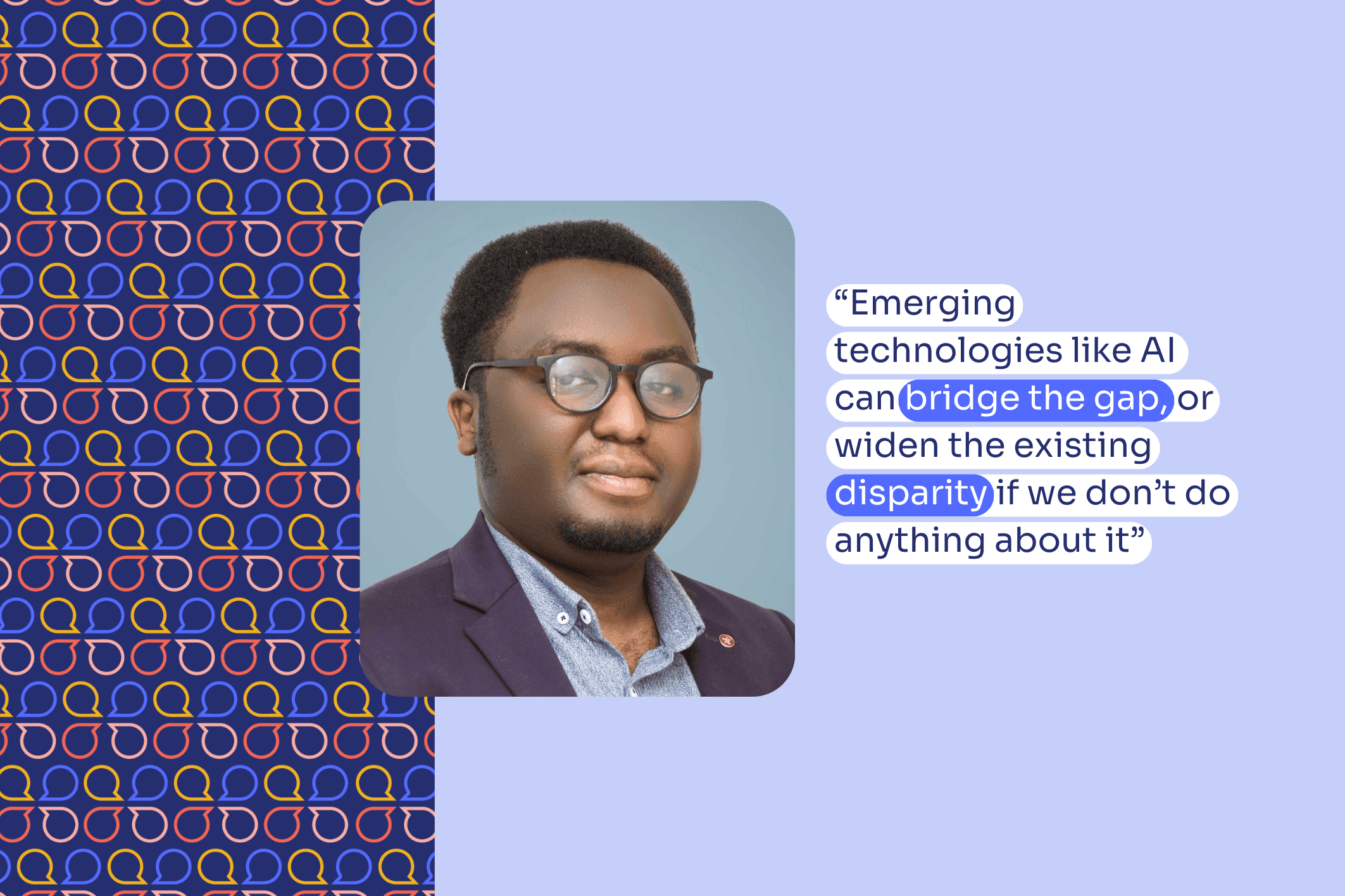
Led by SDP Visiting Fellow, Ghislain Irakoze
Overview
AI is revolutionizing the 21st century. How can AI help solve global challenges like climate change, poverty, and food scarcity in a way that benefits all regions? What questions do we need to ask, and what frameworks must we develop to ensure equitable access and responsible AI use, especially in emerging economies like those in East Africa? This project will explore the transformative potential of AI, focusing on its ethical, political, and social impacts and possibilities for the future. The project also explores the role of AI in shaping governance, education, and economic systems, aiming to develop questions and tools that inspire deeper and better conversations on these topics.
Exploratory Questions
In this project, we will explore a range of questions:
- How can AI be leveraged to address global challenges such as climate change, food scarcity, poverty, and disease in a way that benefits all regions equitably?
- What strategies are needed to ensure AI democratization, especially in regions facing economic and political disparities, so that no geography is left behind in AI adoption?
- How can AI be used to enhance human skills and capabilities, and what role does collaboration play in ensuring these benefits reach diverse populations?
- What ethical frameworks and international agreements are necessary to guide responsible AI development and mitigate potential threats, particularly in emerging economies?
- How can culturally tailored AI systems, like those developed in your respective countries/regions, serve as models for creating globally inclusive AI solutions that respect social and cultural differences?
Beyond exploring the various conceptions of governance, we will also explore who is included and excluded in these possibilities.
- Who is currently being left out of discussions on AI governance, and how can we ensure that marginalized voices are included in shaping its future?
- What barriers prevent certain communities or countries from participating in AI governance, and how can these be addressed to create more inclusive policies?
- How can we create governance frameworks that reflect the diverse needs of different regions and populations, ensuring that AI benefits everyone, not just a select few?
This project will boldly call into question how we think about artificial intelligence and what it can do in the future.
- What will it mean to harness AI for economic development in the future?
- What responsibilities will citizens, governments, and industries have in shaping AI-driven economies?
- What shared goals or values will unite global societies as they adopt AI technologies?
- What types of knowledge and skills will people need to thrive in an AI-powered world, and how will these be cultivated?
- How should education systems evolve to prepare future generations for the opportunities AI offers?
- What role will AI play in transforming people’s engagement with governance and economic decision-making?
- How might AI reshape institutions, and what kinds of new systems or structures will be necessary to support widespread participation in AI-driven economies?
Summary
This project will explore the transformative potential of AI, focusing on its ethical, political, and social implications. It will examine how AI can address global challenges like climate change and poverty, while ensuring equitable access for all regions. The project will also investigate the responsibilities of citizens, governments, and industries in shaping AI-driven economies, and how education systems can prepare future generations. Additionally, it will look at AI’s role in governance and creating inclusive frameworks that reflect diverse needs. It will generate questions for others to explore and develop creative tools to further discussions on these topics.
Get Involved
To learn more about this project, please contact Ghislain Irakoze at [email protected].
You can also read more about his perspective here.