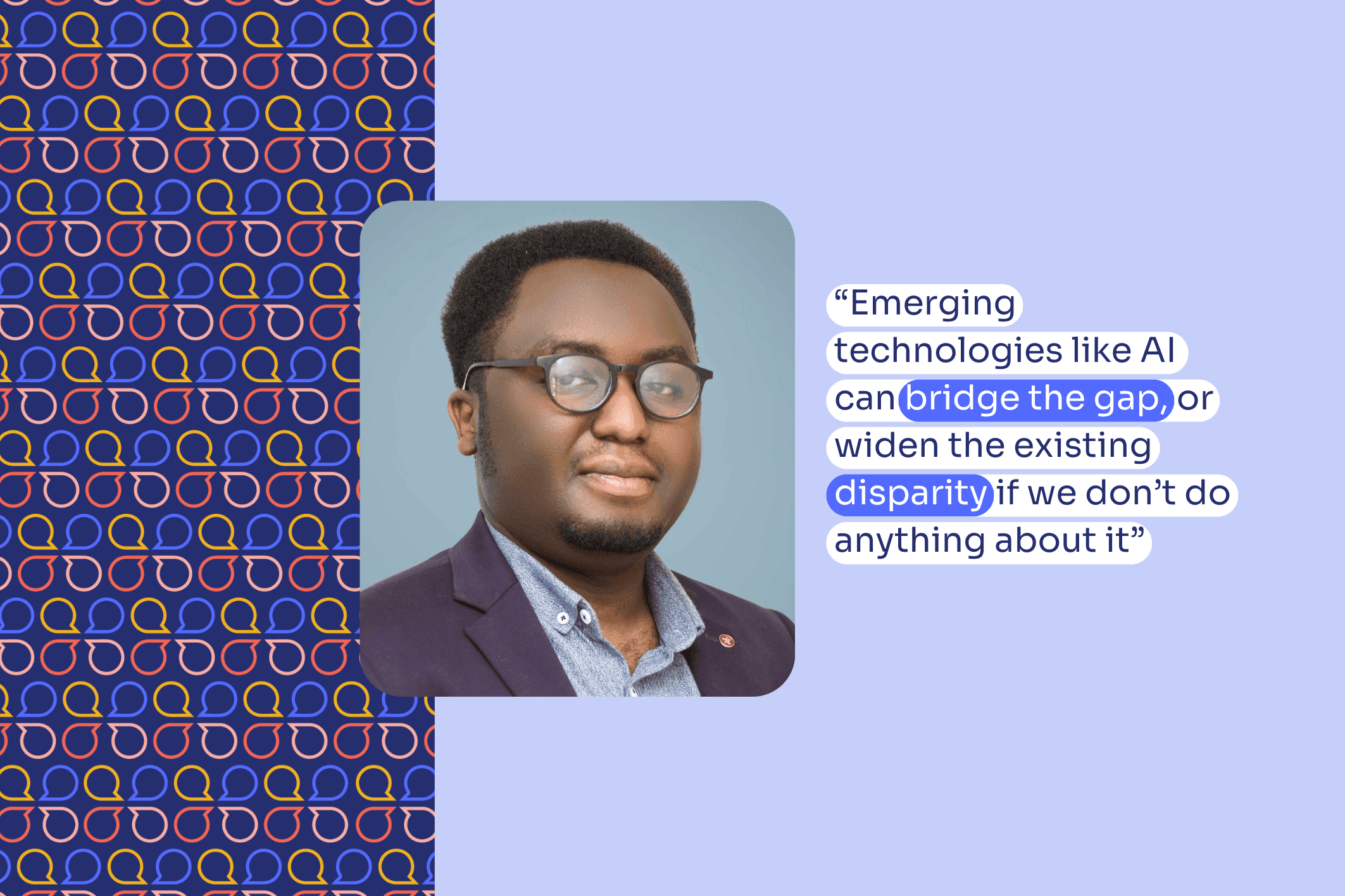
Pratyush Rawal’s interest in punitive cultures stems from personal experiences that made him rethink how people engage in polarizing conversations. Now, as a 2024/25 Sustained Discussion Fellow at the Interactivity Foundation, Pratyush is exploring how punitive behaviors shut down dialogue and prevent meaningful understanding.
“There were two clear incidents that sparked my interest in this issue,” Pratyush explains. “The first was in India, when Modi became Prime Minister. I saw so much hate and polarization. I was having difficult conversations with my dad, and I realized that shouting him down wasn’t working. It was only making our relationship more strained.”
This realization led Pratyush to shift his approach, opting to try and stay curious rather than ‘cancel’ his dad. “I started listening to him more and understanding where he was coming from, and that transformed our relationship,” he reflects. “We still believe what we do, but now we can understand the other side and where those beliefs are coming from.”
“I realized that just shouting in the spirit of righteousness wasn’t going to work. It was making the divides stronger and making our relationship very strained.”
Through his project, Moving Beyond Punitive Cultures, Pratyush aims to understand how we can replace punitive actions, from trolling to telling people off, with constructive dialogue. “When I came to the U.S. to study at Harvard, I noticed that cancel culture was much more vicious here than in India. It was very visible during discussions on difficult issues, like Israel and Palestine, because people they feared being ‘canceled.’”
Pratyush notes that these dynamics often play out in higher education in the U.S. “Cancel culture in universities is a problem. People come in with a sense of righteousness and shut others down instead of engaging in conversations with curiosity and humility.”
“In cancel culture, the first step is often protest, not dialogue. If dialogue fails, then protest, but not the other way around.”
His project is about exploring alternatives. “I want to understand whether this punitive approach is really effective. Where does cancel culture come from? Has it worked for those who engage in it? What are both sides losing when they act this way? And what is the alternative?””
Pratyush hopes his project will foster a deeper understanding of how we can engage with opposing views in a way that’s productive, rather than divisive. He reflects that “change takes time. You need to listen, move two steps forward, one step back. That’s how bridging takes place.”
Get Involved
If you’re interested in joining this dialogue, please fill out the form here. To learn more about this project, please contact Pratyush Rawal at [email protected]. You can also learn more about his project and the kinds of questions that will be asked at https://www.interactivityfoundation.org/moving-beyond-punitive-cultures/.
~
Pratyush is also currently working as part of the Candid and Constructive Conversations team at the Harvard Kennedy School. Learn more about that here: https://www.hks.harvard.edu/faculty-research/policy-topics/democracy-governance/how-discuss-controversial-issues-constructively
About the Sustained Discussion Fellowship
The Interactivity Foundation’s Sustained Discussion Fellowship is designed to support independent, exploratory discussion projects that focus on under-examined areas of public concern. The Fellowship, running from September 2024 to June 2025, invites a select group of Visiting Fellows to lead discussions that aim to expand thinking and understanding around emerging issues.
Each project not only produces new insights but also aims to inspire positive social change by encouraging meaningful conversations that might otherwise remain taboo. Fellows therefore help to expand the boundaries of public imagination, while creating publicly-available tools and plans that can support discussions elsewhere.
Make sure you connect with us on social media for insights and reflections throughout the Fellowship, and learn more about the work of our Fellows here.
Follow along on social media: